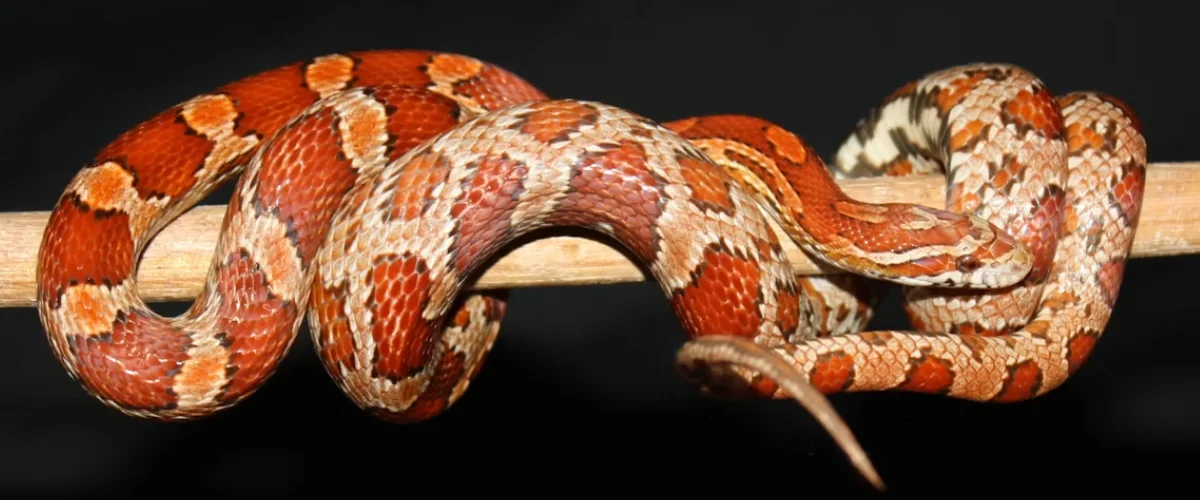
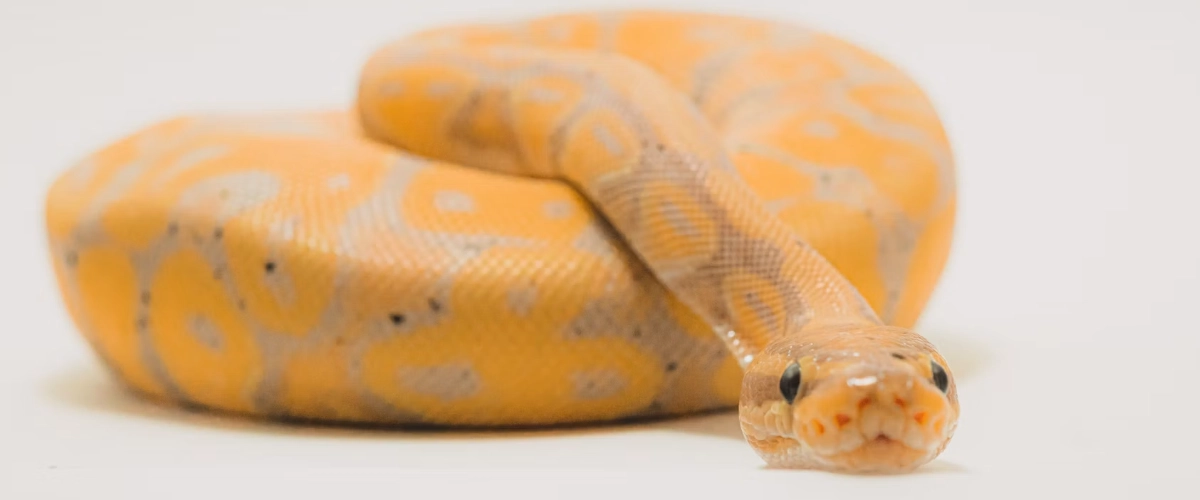
Ball Python Care Guide: Setup, Humidity & Feeding

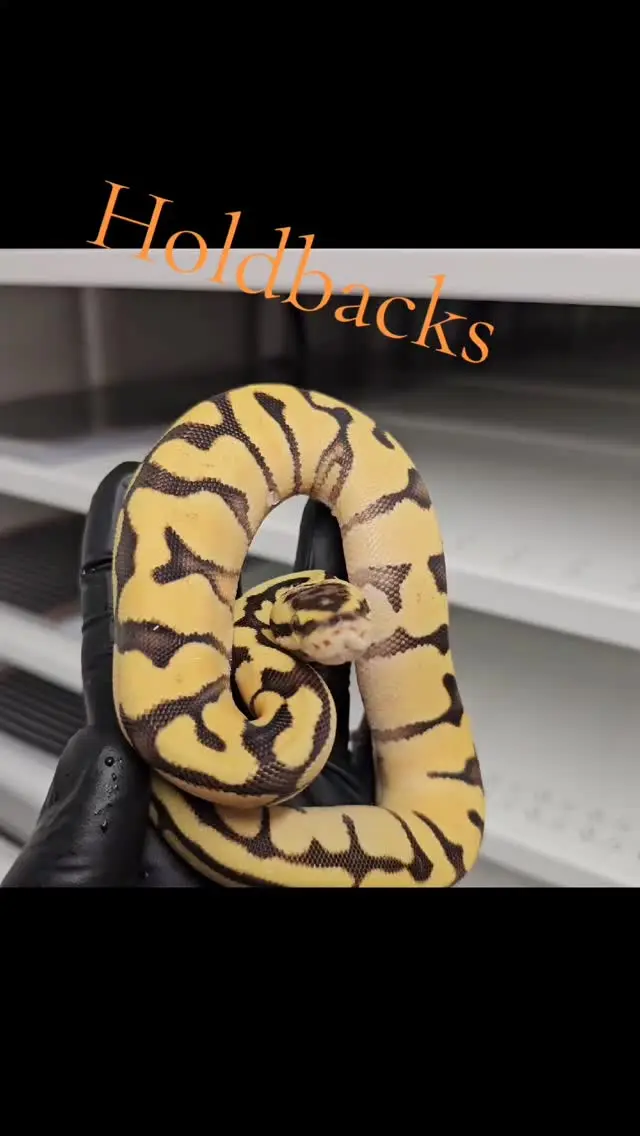
Ball Pythons – also called Royal Pythons – are generally calm, heavy-bodied snakes, but good care depends on much more than simply providing a warm box. They need a secure enclosure with a temperature gradient, suitable humidity, multiple hides, clean water and an appropriate frozen-thawed feeding routine.
This guide covers enclosure size, heating, humidity, UVB, feeding, substrate and the equipment to prepare before buying a Ball Python from West Cork Reptiles.
Before You Buy a Ball Python
Set up and run the enclosure for at least a week before the snake arrives. This allows you to check temperatures, humidity, hides and lighting and make adjustments before introducing the animal.
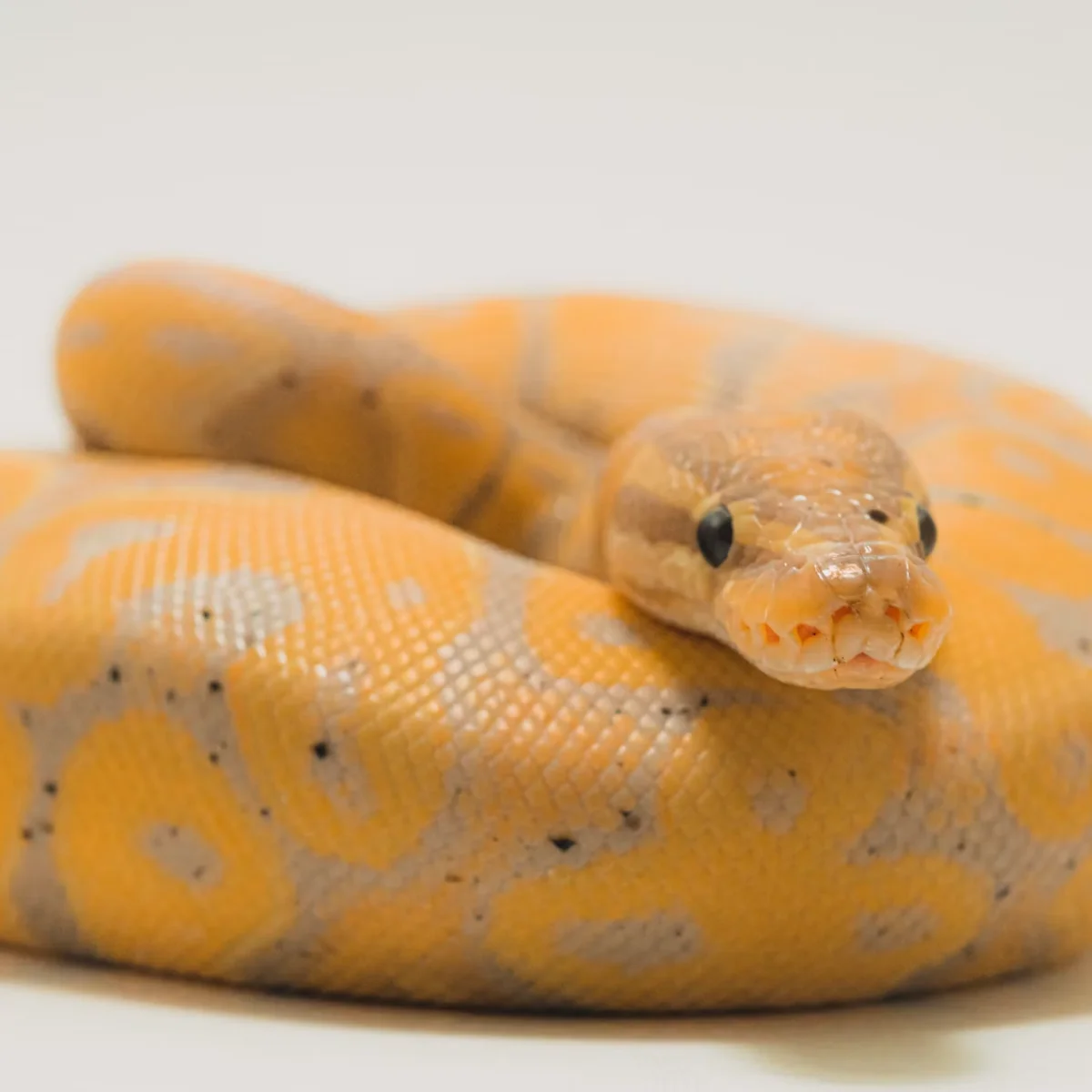
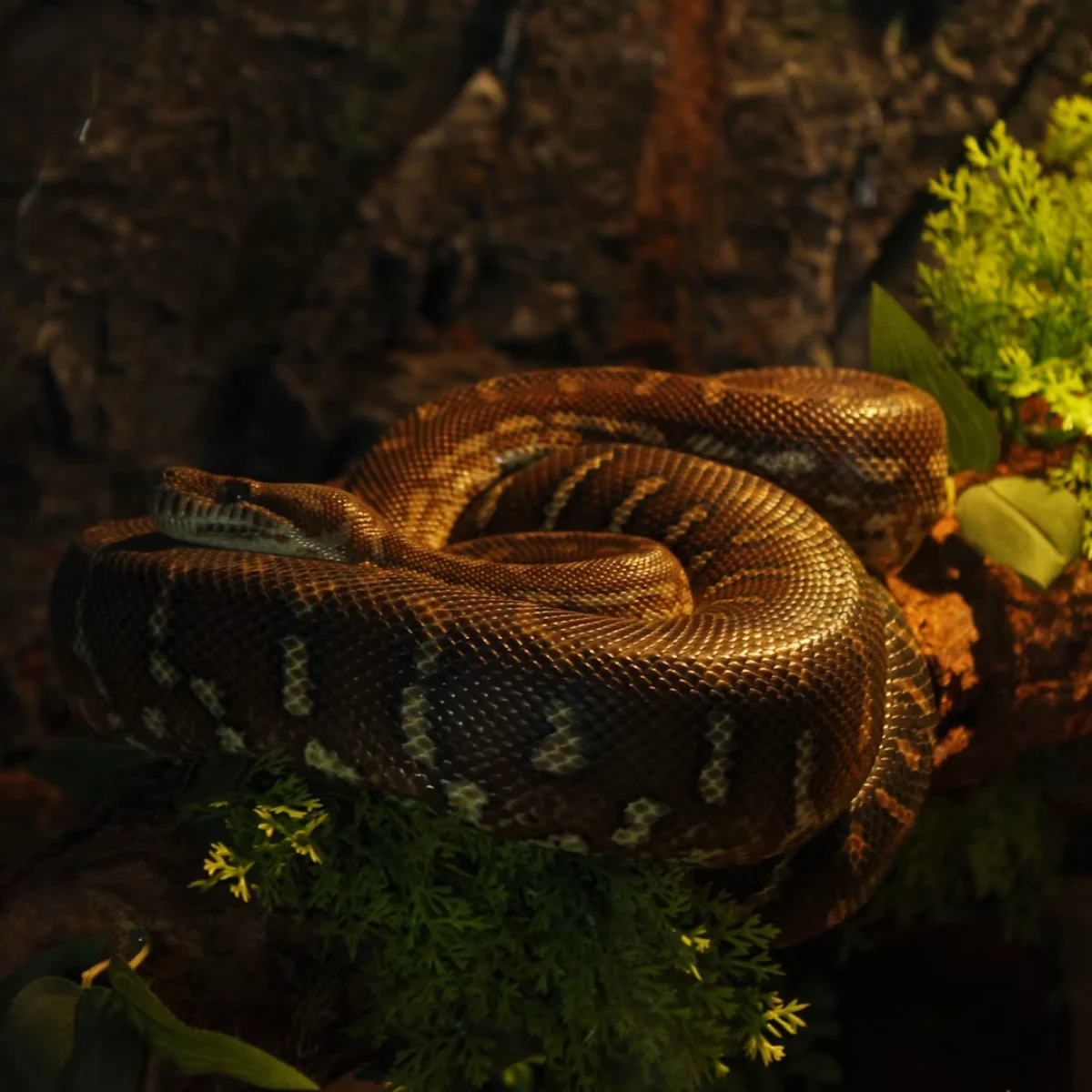
Enclosure Size and Security
Ball Pythons are strong snakes and good escape artists, so the enclosure must close securely. It should also provide plenty of cover rather than a large, empty open space.
The RSPCA recommends an enclosure long enough for the snake to fully stretch out, with width and height each at least around one-third of the snake’s length. For example, a 120 cm Ball Python should have at least a 120 × 40 × 40 cm enclosure.
Young snakes can start in a suitably sized enclosure or in a larger vivarium filled with enough secure hides and cover. Review enclosure size as the snake grows rather than assuming one juvenile setup will suit the animal for life.
West Cork Reptiles currently stocks wooden vivariums in several sizes. Use the Wooden Vivariums category to choose housing based on the actual length of your snake.
Heating and Temperature
Ball Pythons need a warm basking area and a cooler end so they can regulate their body temperature by moving around the enclosure.
- Basking / hot end: approximately 30–32°C.
- Cool end: approximately 24–26°C.
- Night: provide suitable non-light-emitting heat if required to prevent the enclosure becoming too cold.
- Thermostat: every heat source must be controlled by the appropriate type of thermostat.
- Monitoring: use digital thermometers and verify surface temperatures with an infrared thermometer.
West Cork Reptiles stocks several HabiStat thermostats, including the Dimming Thermostat – Classic Pro – 450W, as well as mat and pulse-proportional thermostat options. Match the thermostat type to the heat source you are using.
Humidity and UVB
Correct humidity supports hydration, respiratory health and clean shedding. Measure it with a hygrometer rather than judging the enclosure by appearance.
- Normal humidity: around 50–60% at the cool end.
- Shedding support: humidity can be temporarily increased towards around 80%, allowing it to fall again between boosts.
- Humid hide: a hide containing moist moss gives the snake a local area of higher humidity.
- Ventilation: continuously wet conditions, mould or condensation can indicate humidity is too high or ventilation is inadequate.
- UVB: a low-output UVB gradient can be provided, around UVI 1.0 in the basking zone fading to zero in shade for normally pigmented animals.
Some light-sensitive morphs, including albino-type animals, may need lower UV exposure. The RSPCA suggests a maximum basking UVI around 0.7 for these morphs. Always follow the UVB manufacturer’s distance and installation guidance.
Feeding a Ball Python
Ball Pythons should be fed appropriately sized frozen-thawed prey rather than live prey.
The RSPCA recommends offering prey slightly wider than the widest part of the snake’s body. Young snakes commonly feed every five or six days, while adults generally eat less often – around every seven to 14 days depending on body condition and individual needs.
West Cork Reptiles currently lists Ball Pythons as feeding on defrosted rat and stocks Frozen Rat Feeders in multiple sizes and pack quantities. Choose prey size according to the individual snake rather than age alone.
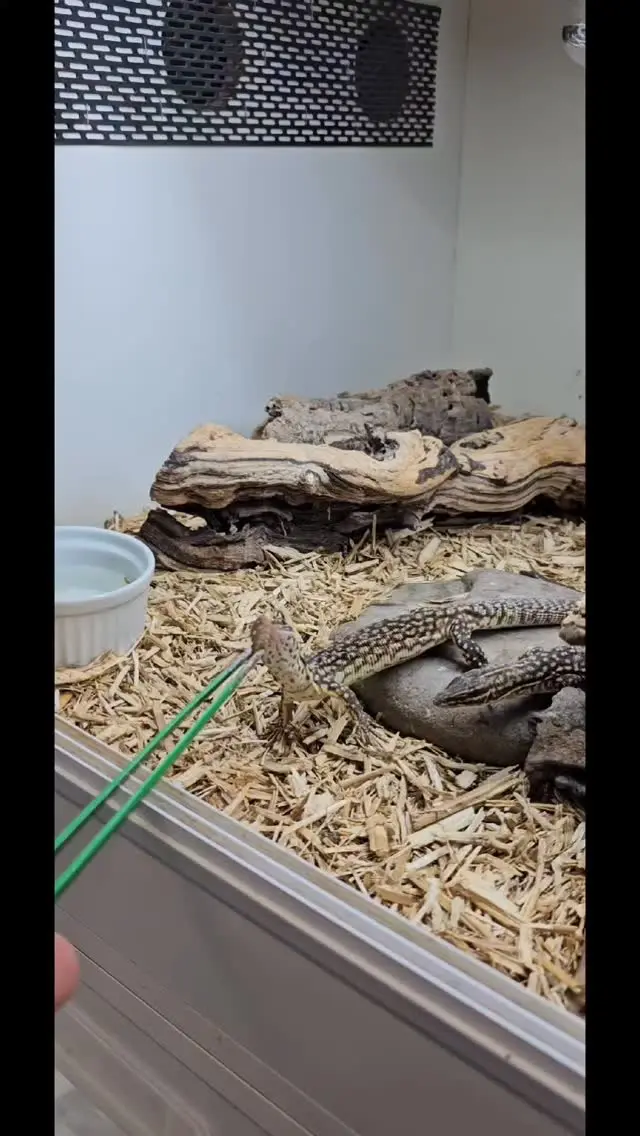
Feed inside the enclosure using suitable feeding tongs. Wait at least 48 hours after feeding before handling to reduce the risk of regurgitation.
Hides, Substrate and Enrichment
Ball Pythons are naturally secretive. A snake that has to choose between correct temperature and a secure hide is not being given a complete temperature gradient.
- Provide snug hides at both the warm and cool ends.
- Include a humid hide with moist moss.
- Add sturdy branches and other secure climbing opportunities.
- Provide visual cover with plants, cork or natural-style decor.
- Use a substrate that supports appropriate humidity without remaining constantly wet.
- Avoid sand for Ball Pythons.
- House Ball Pythons individually.
West Cork Reptiles stocks Coco Plug Premium Coconut Chips – 6–10 mm / 4.5 kg, a moisture-holding coconut substrate that may be useful in suitable snake setups when humidity and ventilation are monitored correctly.
What to Buy Before Your Ball Python Arrives
Prepare the complete enclosure before ordering the animal. Your final equipment list depends on the snake’s size and the type of heating you choose.
- Secure vivarium: long enough for the snake to fully stretch out.
- Suitable heat source: positioned to create a warm end and cool end.
- Correct thermostat: matched to the chosen heater.
- Two digital thermometers: monitor the warm and cool ends.
- Hygrometer: monitor humidity at the cool end.
- Multiple snug hides: warm, cool and humid.
- Suitable substrate: selected with humidity and ventilation in mind.
- Large water bowl: clean water available at all times and large enough for the snake to soak if needed.
- Correct frozen-thawed prey: matched to the snake’s current feeding size.
- Feeding tongs and cleaning supplies: for safe feeding and routine enclosure maintenance.
Bringing Your Ball Python Home
Allow the snake time to settle into its new enclosure. Avoid unnecessary handling during the first week and wait until feeding is established before increasing handling sessions.
West Cork Reptiles lists the current feeding type on each Ball Python product page. For example, current juveniles are being sold as feeding on defrosted rat. Live animals are available for collection or arranged livestock delivery, not standard parcel shipping.
Read the Buying Info page before placing a livestock order, and contact West Cork Reptiles if you need help matching an enclosure or feeder size to a specific snake.
Health and Responsible Care
Good husbandry reduces risk, but feeding refusals, poor sheds, weight loss, breathing changes or unusual behaviour should not be ignored.
Persistent low humidity, incorrect temperature or unsuitable enclosure conditions can contribute to shedding, digestive and respiratory problems. If you notice wheezing, discharge, mouth problems, repeated regurgitation, mites or significant weight loss, contact a reptile-experienced veterinary professional.
Care reference: husbandry values in this article are based primarily on the current RSPCA Royal Python care guidance, alongside current West Cork Reptiles livestock, food and equipment information.